
Commerce operators
Businesses selling products, services or trade offers that need stronger ordering control.
Webits builds ecommerce platforms for businesses that need more than a standard storefront, including custom ordering, account rules, integrations and workflows behind the transaction.
The storefront is only one part of ecommerce. The stronger work often sits behind it: catalogue, pricing, fulfilment, accounts, payments and reporting.
Webits designs ecommerce systems around the commercial model, customer journey and internal workflow needed to keep orders moving properly.
Businesses selling products, services or trade offers that need stronger ordering control.
People who need clear browsing, account access, ordering, payment and status flows.
Staff who need orders, inventory, status, exceptions and reporting to stay connected.
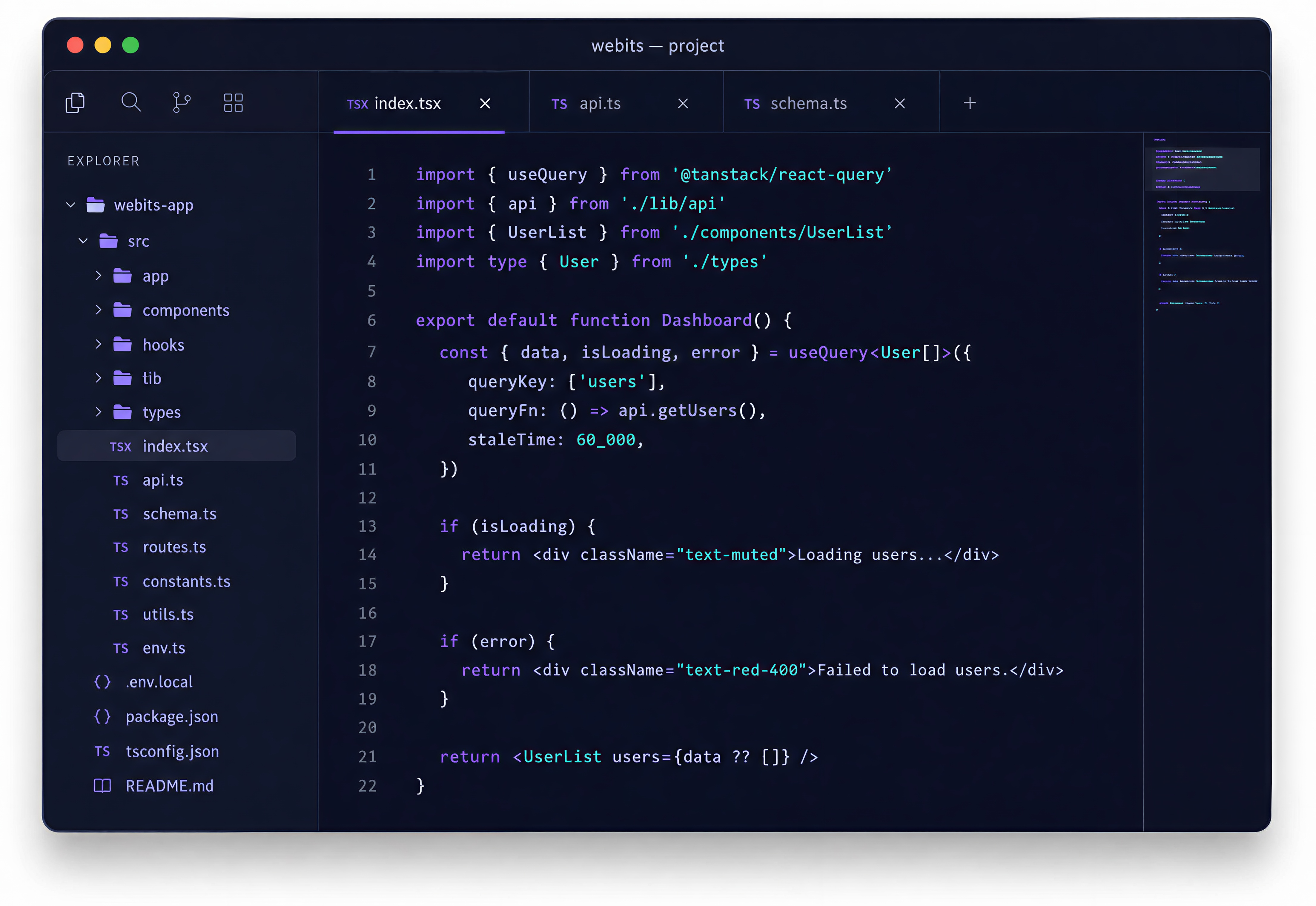
The feature set depends on the products, ordering model, customer types and fulfilment operation.
Category, product, search, account and checkout flows shaped around clear buying.
Carts, pricing, trade rules, subscriptions, approvals or custom checkout behaviour.
Connections to payments, inventory, CRM, fulfilment, accounting or reporting tools.
Internal views for products, orders, customers, status, exceptions and reporting.
Notifications for orders, payments, fulfilment, changes or next actions.
Useful visibility into orders, conversion, customer behaviour and operational pressure.
These are common signs ecommerce needs a stronger platform approach than a standard store setup.
Pricing, accounts, ordering rules or fulfilment needs are more complex than the platform allows.
Customer, payment, inventory and fulfilment data require manual handling.
The team cannot easily see status, exceptions, performance or customer activity.
The current setup works for small volume but struggles as sales, products or rules expand.
The build starts with the commercial model, then turns it into a platform customers and staff can use properly.
Clarify products, customers, pricing, fulfilment, payments and operating rules.
Choose the right first release and the systems that need to connect.
Shape browsing, product selection, checkout and account areas.
Develop the platform, admin workflow and required integrations.
Support release and improve the platform once real orders move through it.
A selection of digital products, platforms and business systems engineered for organisations that depend on technology every day.
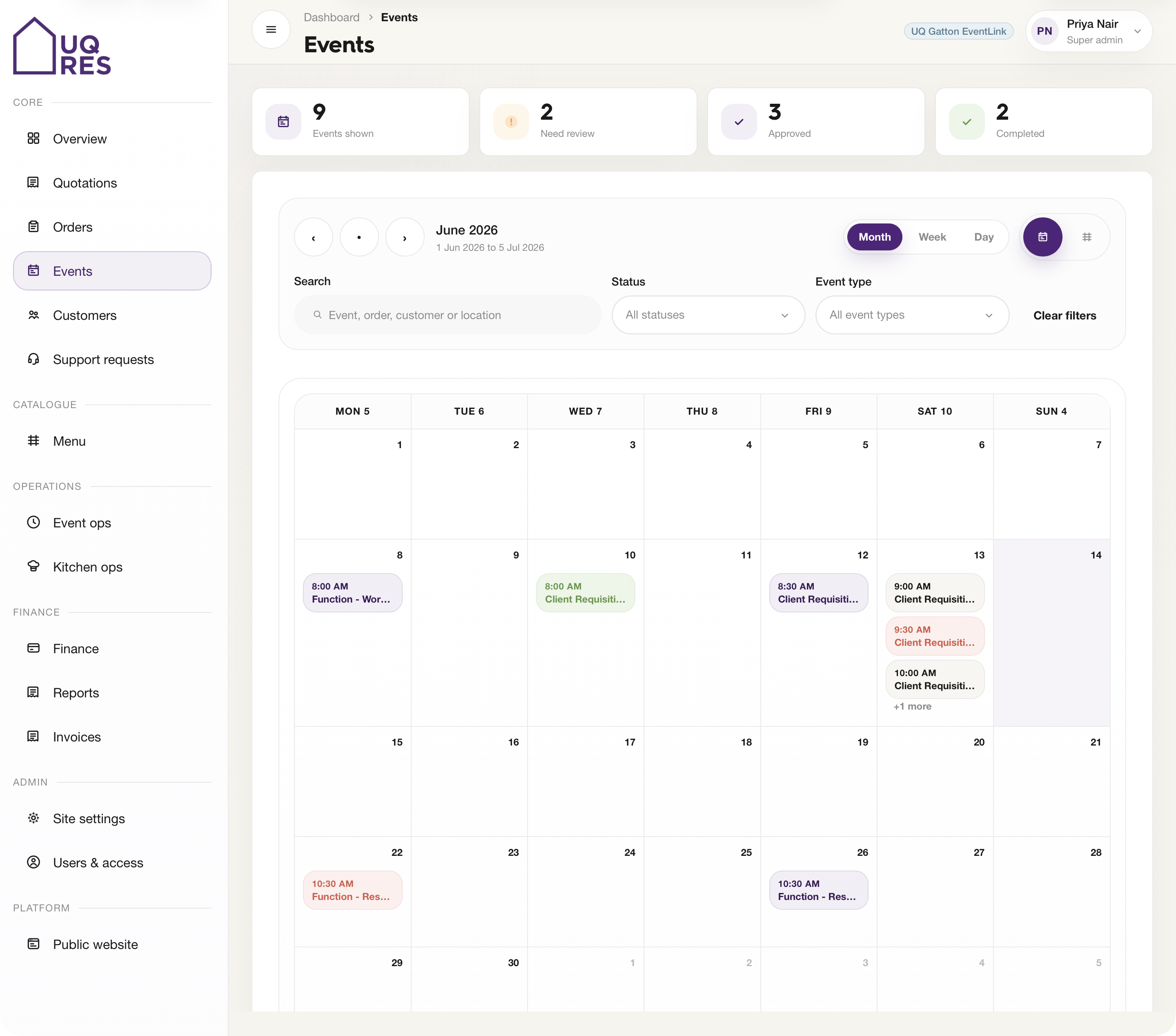
A web-based events and hospitality platform for Cater Care, connecting public ordering, quotations, event review, kitchen prep, finance, reporting, and catalogue sync.
View case study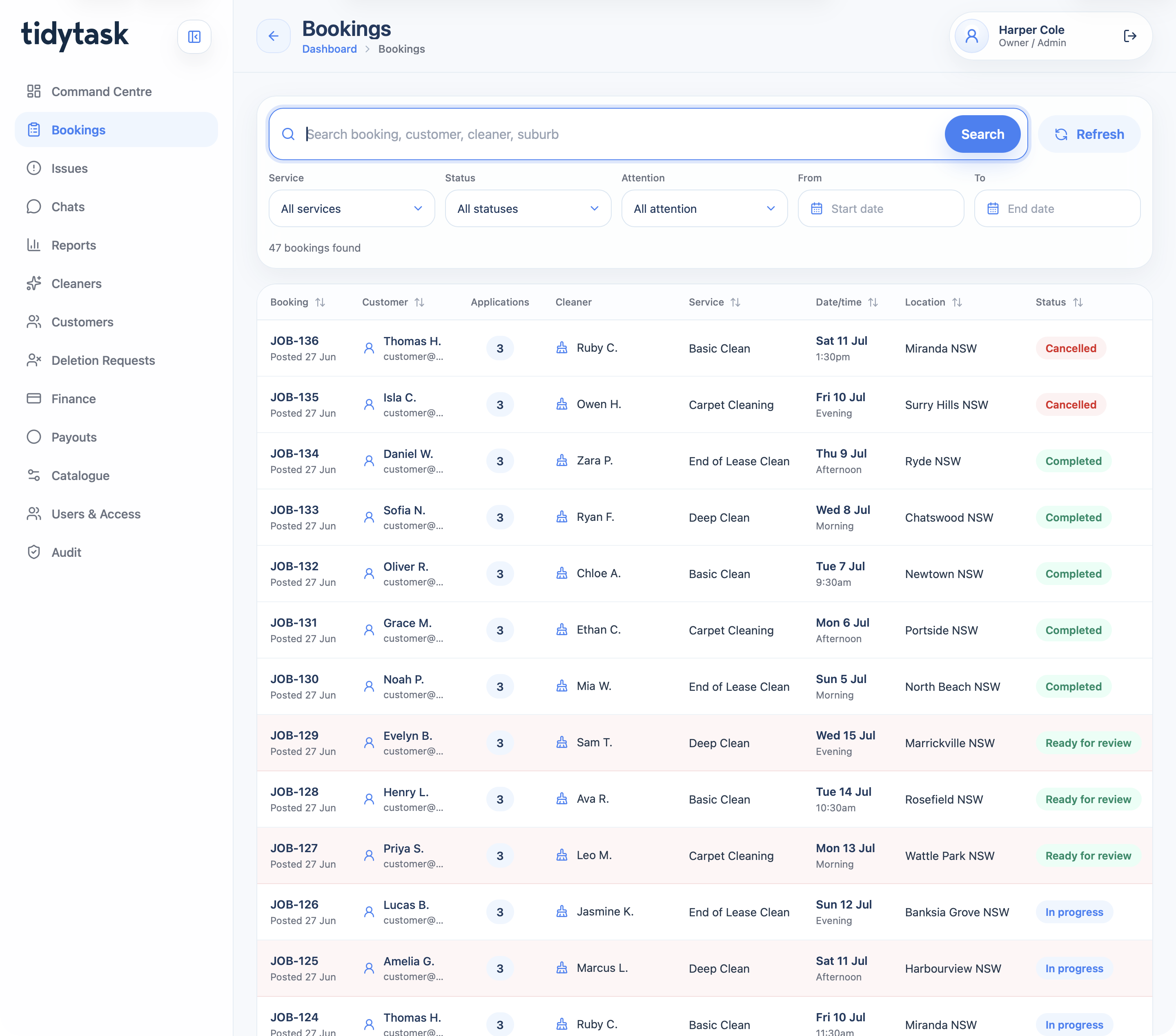
A cleaning marketplace and operations platform for customer booking, cleaner applications, payments, GPS proof, support, finance, payouts, reporting, and admin control.
View case study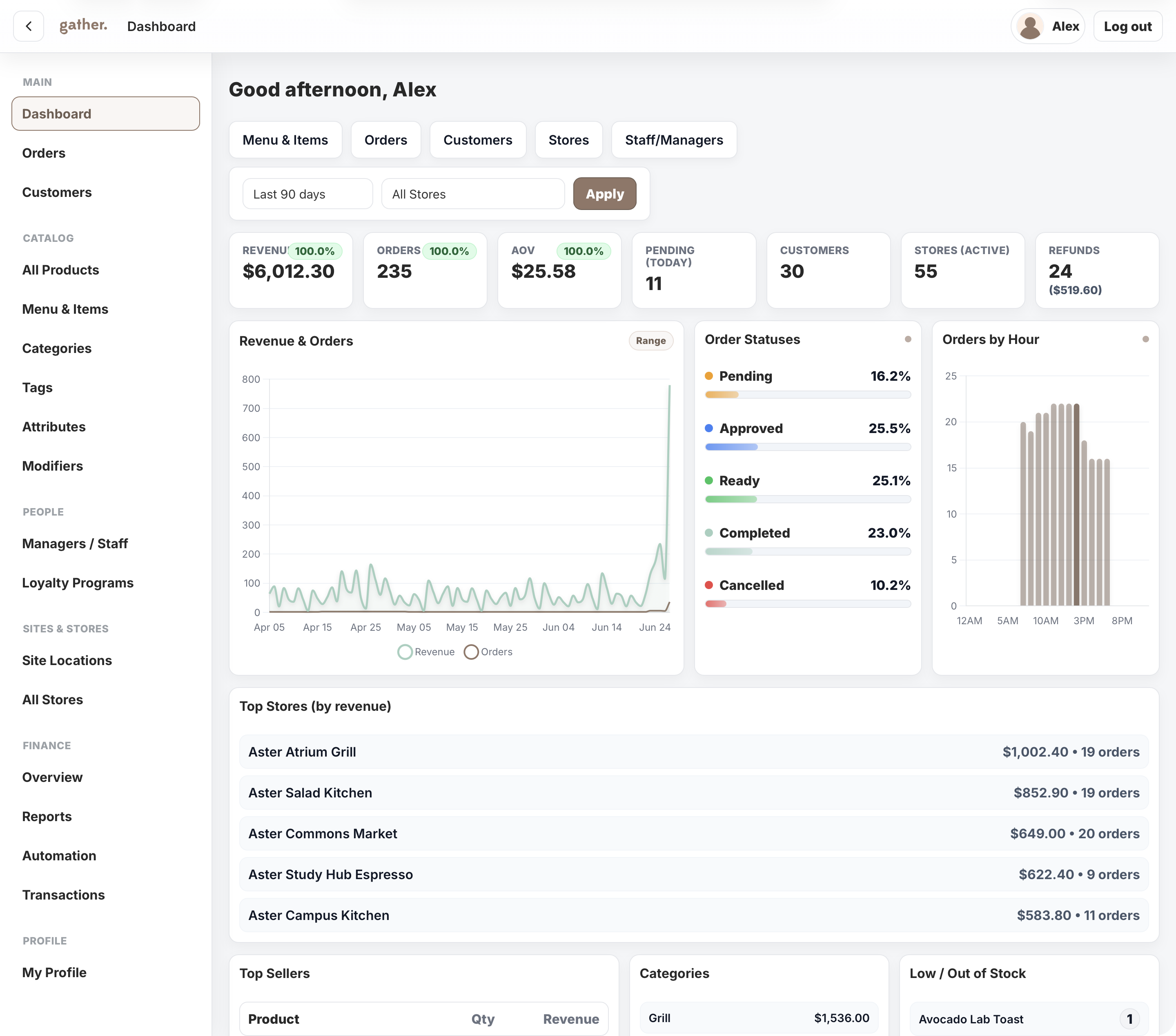
A campus commerce platform for Cater Care, connecting mobile ordering, outlet operations, payments, POS sync, loyalty, reporting, and head-office control.
View case studyA short list of the things teams usually ask before scoping ecommerce platform work.
Custom ecommerce is usually stronger when the business needs unusual pricing, account rules, workflows, integrations or product behaviour.
Yes. Ecommerce can include customer accounts, trade pricing, approvals, repeat ordering and controlled access.
Yes. Integration planning is often central to ecommerce work when orders need to flow into existing operations.
Yes. The first release can focus on the most valuable catalogue, customer group or ordering workflow before expanding.
Bring the catalogue, ordering rules, fulfilment process and current store issues. Webits can help shape the right commerce build.