
Operational Software Development
Operational software development for businesses that need custom systems to replace manual handling, disconnected tools and hard-to-manage daily work.
Operational software engineered around the way organisations actually work. From internal platforms to workflow automation, every system is designed to bring clarity, accountability and structure to everyday operations.
Operational software exists to support the work customers rarely see but businesses depend on every day. It brings together people, processes, approvals, information and decisions into one connected system.
Whether the outcome becomes a workflow platform, dashboard, internal portal or automation system, the objective remains the same: reduce operational friction without increasing complexity elsewhere.
The result is software that improves visibility, strengthens accountability and creates the structure organisations need to operate with confidence.
Every operational system begins by solving one meaningful problem. As the organisation grows, those foundations expand into a more connected operational platform.
Operational software development for businesses that need custom systems to replace manual handling, disconnected tools and hard-to-manage daily work.
Workflow automation development for businesses that need approvals, hand-offs, reminders and repeat processes handled with less manual effort.
Internal tools development for businesses that need custom admin screens, dashboards, workflows and staff systems built around daily work.
Business process software development for teams that need structured systems around repeat work, approvals, hand-offs and operational rules.
Operations dashboard development for businesses that need clearer visibility over workload, status, exceptions, performance and daily activity.
Approval workflow software for businesses that need requests, reviews, decisions, escalations and records handled with clearer control.
CRM and ERP integration development for businesses that need customer, order, finance, inventory or operational data to move cleanly between systems.
Reporting and analytics system development for businesses that need clearer insight from operational, customer, finance or performance data.
Job management system development for businesses that need clearer scheduling, assignment, status, proof and office control over work in progress.
Compliance and audit system development for businesses that need checklists, evidence, approvals, records and reporting handled with clearer control.
Operations software modernisation for businesses that need to improve tired internal systems, reduce risk and create a cleaner support path.
Admin portal development for businesses that need staff-facing control over users, content, workflows, records, support tasks and operational activity.
The strongest operational systems begin by understanding how the business actually works. Software follows the people, processes and decisions it is designed to support.
Understand the people, workflows, responsibilities and friction points before deciding how the system should improve them.
Establish workflows, approvals, permissions, reporting and the operational foundation the system will be built upon.
Shape dashboards, task flows and operational experiences around the way work actually happens.
Build the software, connect surrounding systems and establish reliable operational foundations that remain easy to maintain.
Launch carefully, support adoption and continue refining the system as the organisation evolves.
A selection of digital products, platforms and business systems engineered for organisations that depend on technology every day.
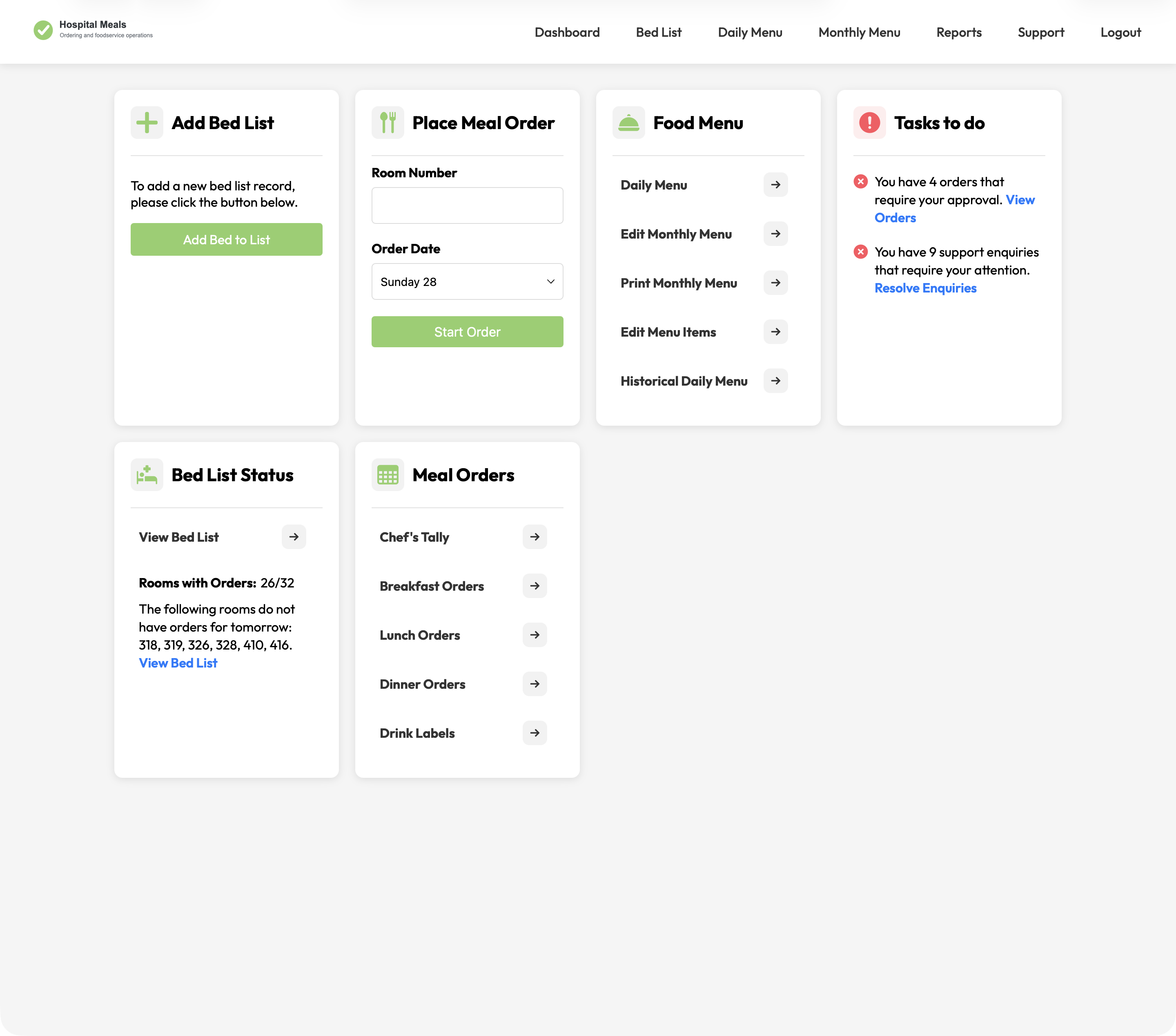
A hospital foodservice platform connecting patient meal ordering with bed lists, dietary context, menu cycles, approvals, kitchen views, tallies, labels, and PDFs.
View case study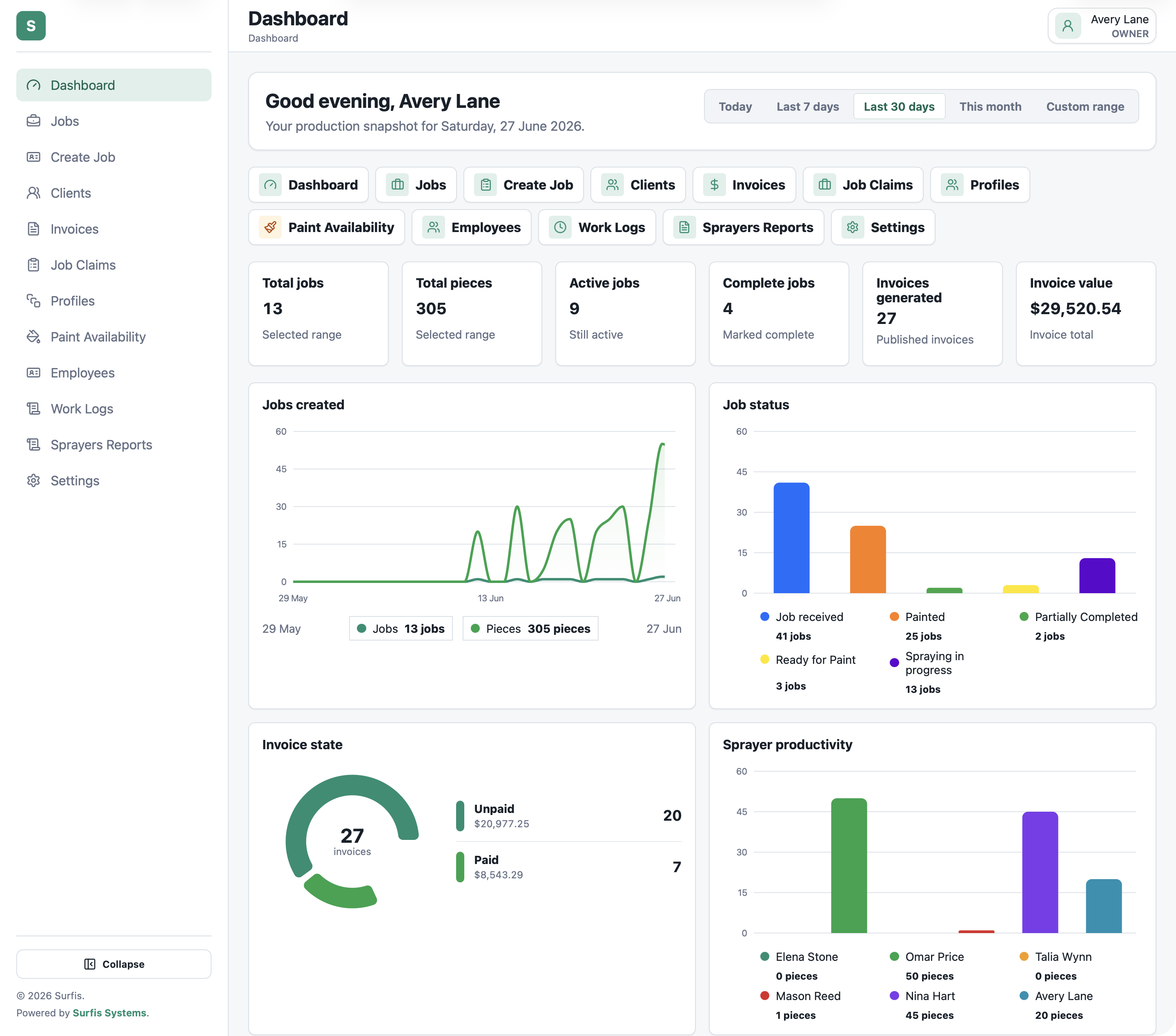
A production platform for spray finishing teams, covering jobs, pieces, paint, labels, costing, invoices, MYOB, and reporting from one system.
View case study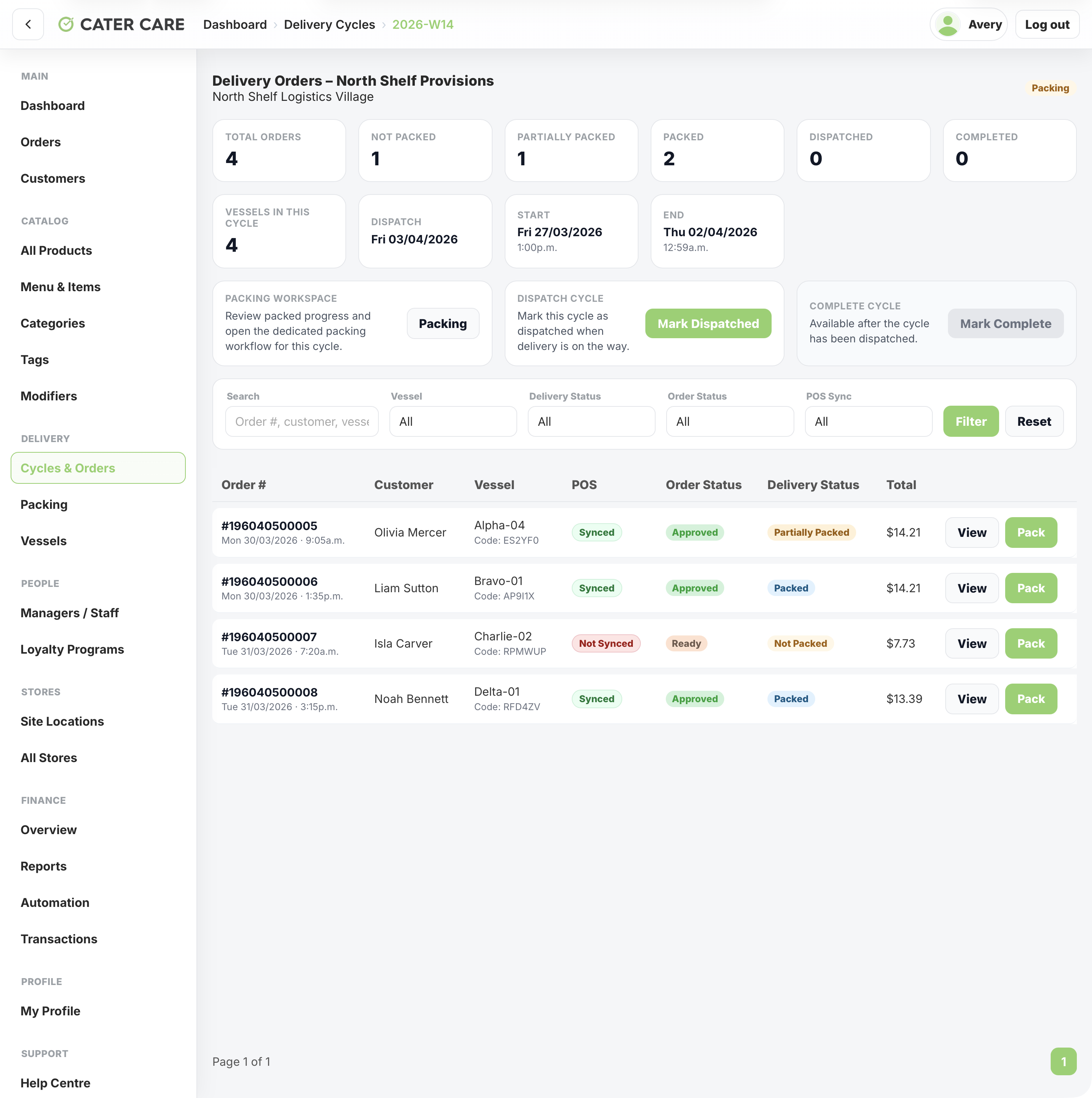
A remote workforce delivery platform for Cater Care, connecting QR-led vessel ordering, delivery cycles, packing, dispatch, worker tracking, store operations, and central reporting.
View case studyTechnology is selected to support the way the organisation operates today while remaining dependable as the business continues to grow and change.
The questions that usually determine whether operational software is the right solution, where to begin and what deserves to be solved first.
Operational software becomes valuable when work is being held together by spreadsheets, emails, disconnected tools or manual processes. Once operations begin creating unnecessary friction, software should simplify the work rather than add to it.
Webits engineers workflow platforms, operational dashboards, admin portals, approval systems, reporting platforms, internal tools and automation designed around the way organisations actually operate.
Yes. Most operational software begins by replacing repetitive manual work with structured workflows, clearer visibility and systems people can rely on every day.
Yes. Operational systems are designed around accountability. Approvals, reporting, audit history, permissions and compliance become part of the system rather than separate manual processes.
Yes. Operational software rarely works in isolation. Webits engineers integrations with CRMs, ERPs, reporting platforms, APIs and other business systems so information flows reliably across the organisation.
Scoping begins by understanding how the business operates today. People, workflows, responsibilities, exceptions and operational goals are defined before the software itself is designed.
Bring the operational challenge, the current process or the areas creating unnecessary friction. Together we’ll define where software can create the greatest long-term value.