
Operations leads
Managers who need better control over daily work, status, exceptions and hand-offs.
Webits builds operational software for businesses that need clearer workflows, better visibility and custom systems that support the way teams actually operate.
Operational software should reduce the mess around daily work, not create another system people have to fight.
Webits plans systems around the way work moves through teams, the decisions people need to make and the data the business needs to trust.
Managers who need better control over daily work, status, exceptions and hand-offs.
Businesses that have outgrown spreadsheets, inboxes, manual checks or disconnected tools.
Leaders who need clearer visibility before they can improve process, staffing or customer service.
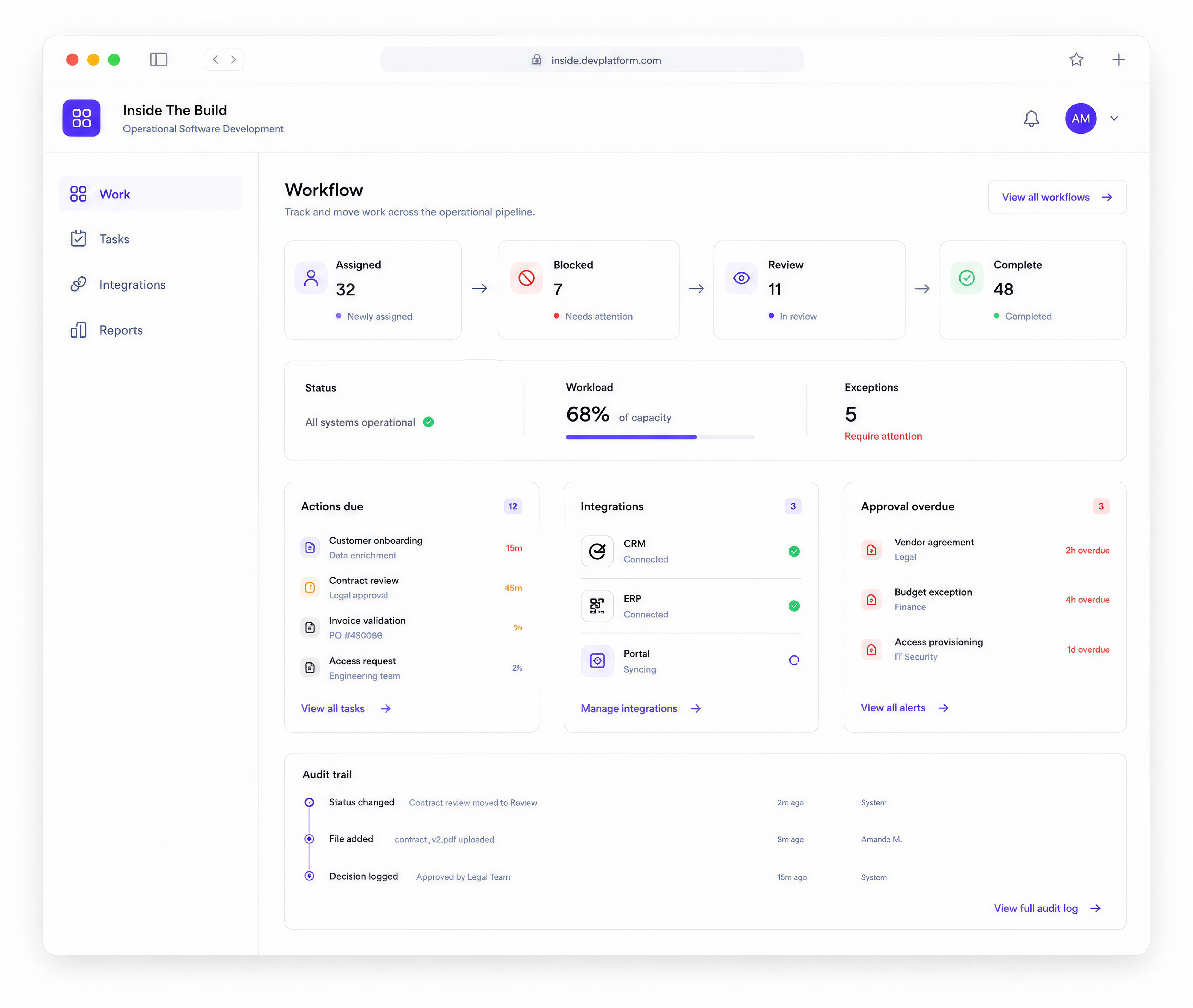
The useful parts depend on the workflow, users and systems already involved in the operation.
Steps, states, approvals and hand-offs shaped around the real operating process.
Views for status, workload, exceptions, performance and key operational activity.
Assignments, checklists, due dates, notes or action queues for the people doing the work.
Connections to CRMs, ERPs, portals, payments, reporting tools or internal databases.
Useful prompts for approvals, delays, exceptions, changes or next actions.
Clear records of actions, status changes, approvals, files and important decisions.
These are common signs a custom operational system could give the business better control.
Information sits across spreadsheets, emails, chats and systems that do not stay aligned.
Teams cannot easily see status, ownership, delays or what needs attention next.
Important details are captured late, duplicated or stored in places the business cannot trust.
The old way still works occasionally, but it cannot support the volume or complexity anymore.
The build starts with the operating model, then turns it into software people can use every day.
Understand the workflow, users, hand-offs, data and decisions behind the work.
Choose the first useful release and the controls the business needs from day one.
Shape screens and states around repeated work, not decorative software.
Develop the system, admin views, data model and integrations needed to run it.
Support rollout and improve the software once real operational behaviour appears.
A selection of digital products, platforms and business systems engineered for organisations that depend on technology every day.
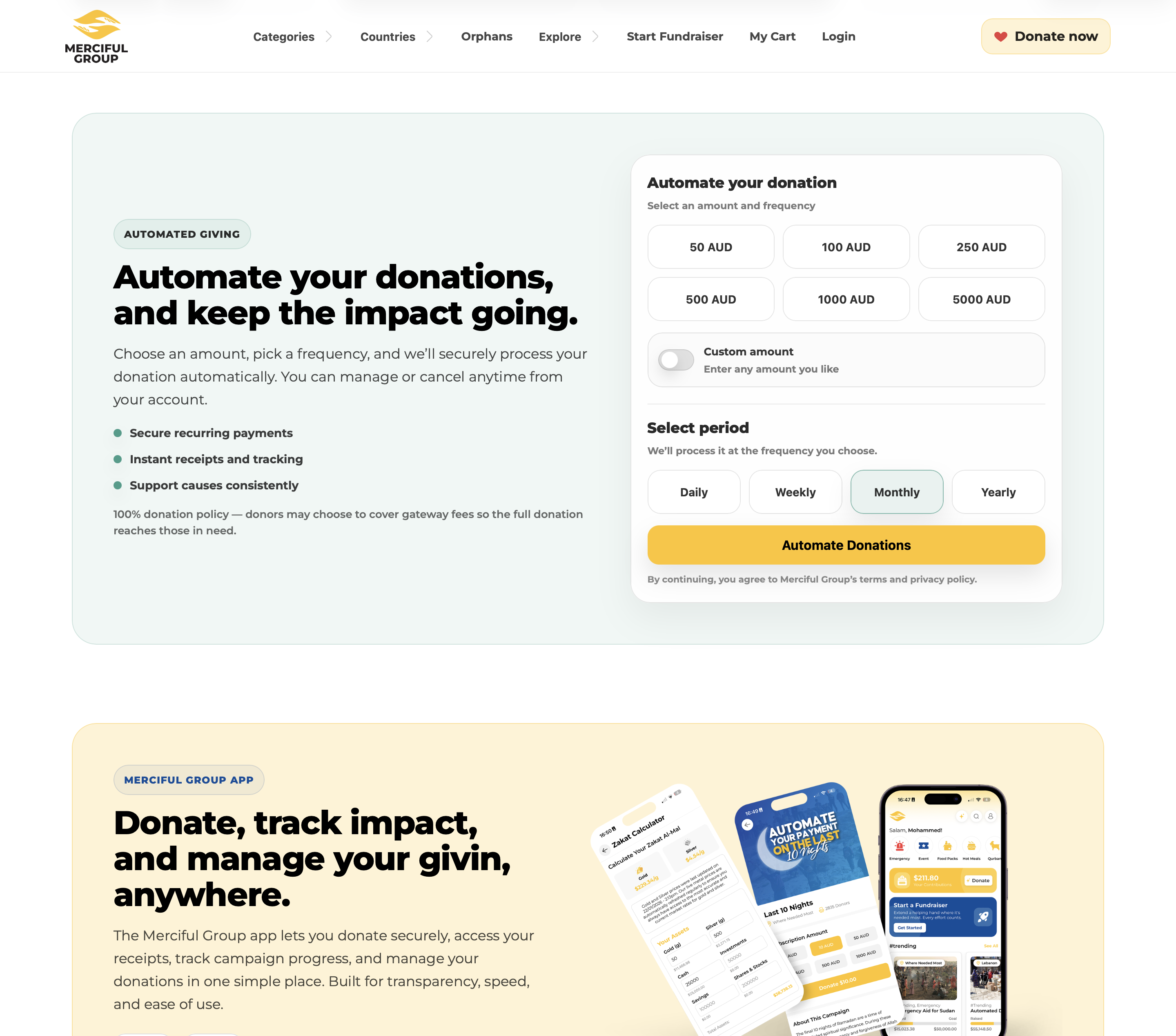
A connected donations platform for Merciful Group, spanning donor mobile giving, public web checkout, recurring support, fundraisers, and internal donation operations.
View case study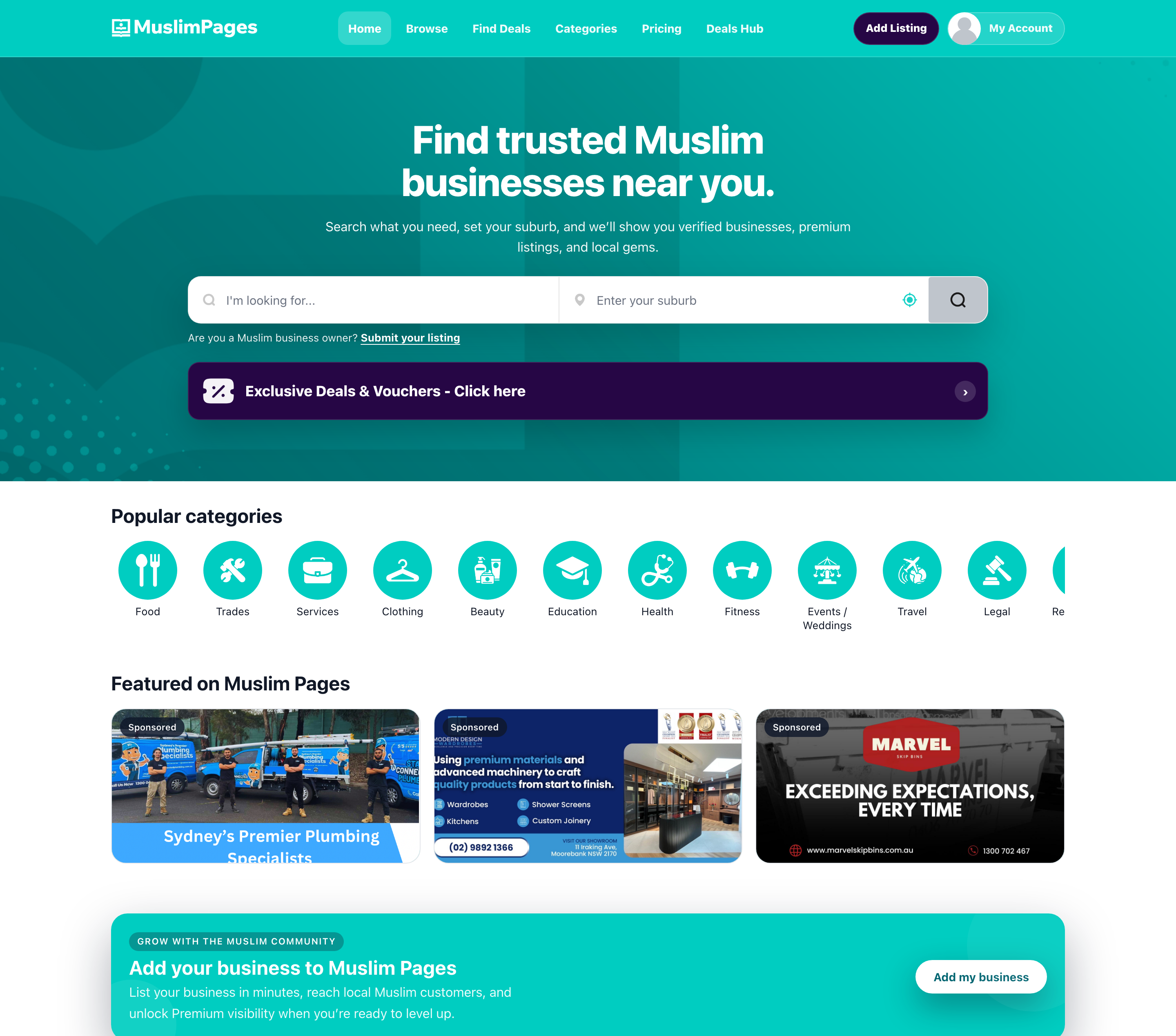
A community directory, deals marketplace, owner portal, and React Native app connecting Muslim Australians with businesses, offers, subscriptions, and local discovery tools.
View case study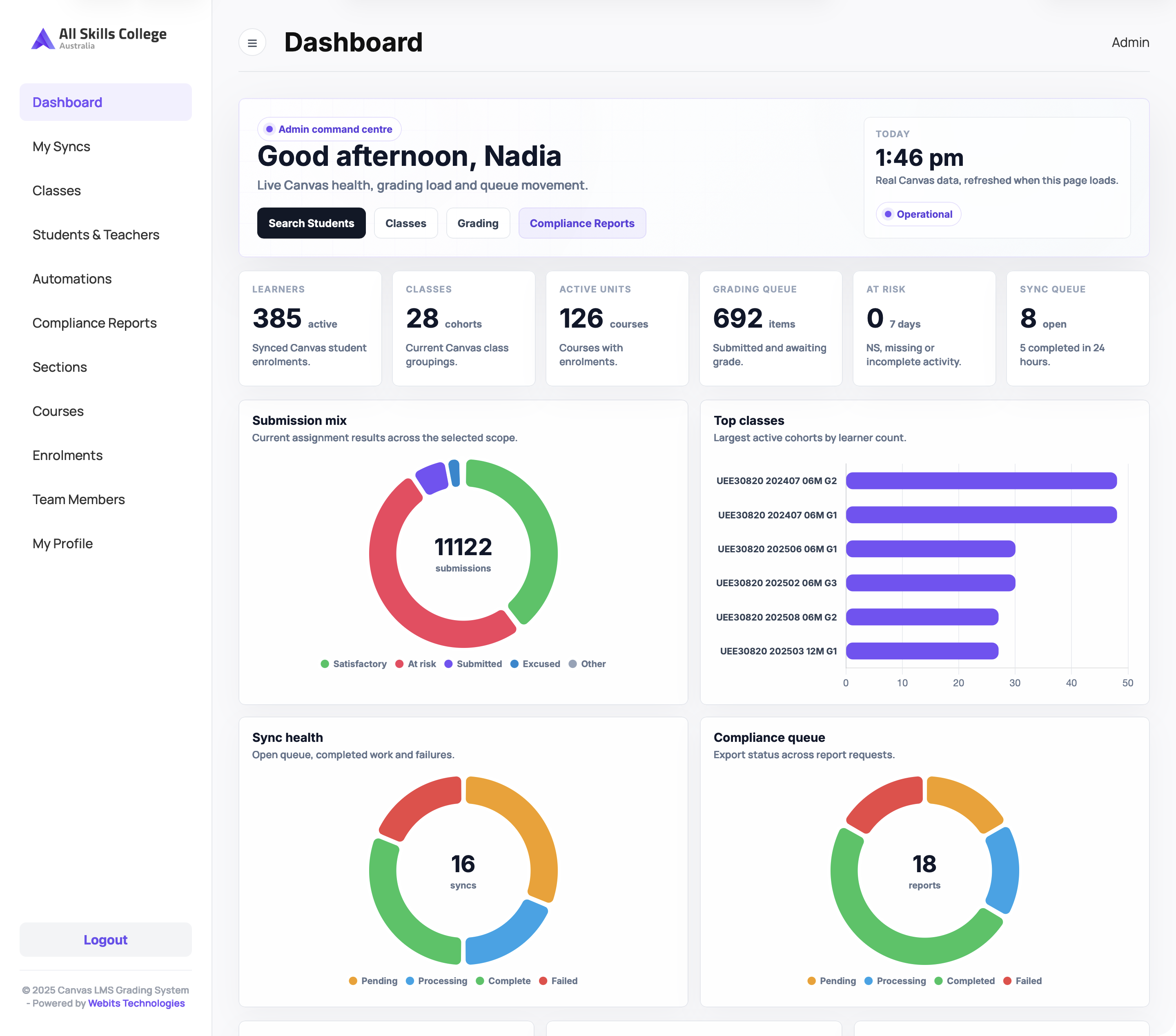
A Canvas-connected compliance evidence platform that turns LMS data into structured student records, evidence review, queued reports, and export workflows.
View case studyA short list of the things teams usually ask before scoping operational software.
Operational software is a custom system built around the work a business needs to manage, track, automate or improve.
Yes, when the workflow is clearly mapped and the system is scoped around the right first release.
Yes. Operational systems often connect to CRMs, ERPs, portals, reporting tools or other business software.
Yes. A focused first release is usually the strongest way to reduce risk and prove the system.
Bring the workflow, current tools and pressure points. Webits can help shape the right system scope.