
Service businesses
Companies managing jobs, visits, installs, repairs, requests or field work.
Webits builds job management systems that help businesses assign, track, update and complete jobs with clearer visibility across the office and field.
A job system needs to support the full lifecycle, from request and assignment through to completion, proof, reporting and follow-up.
Webits plans job management around real work stages, user roles, mobile needs, admin visibility and the systems that may need to connect.
Companies managing jobs, visits, installs, repairs, requests or field work.
Office teams assigning work, checking progress and managing exceptions.
People completing jobs who need tasks, notes, proof and updates in a clean flow.
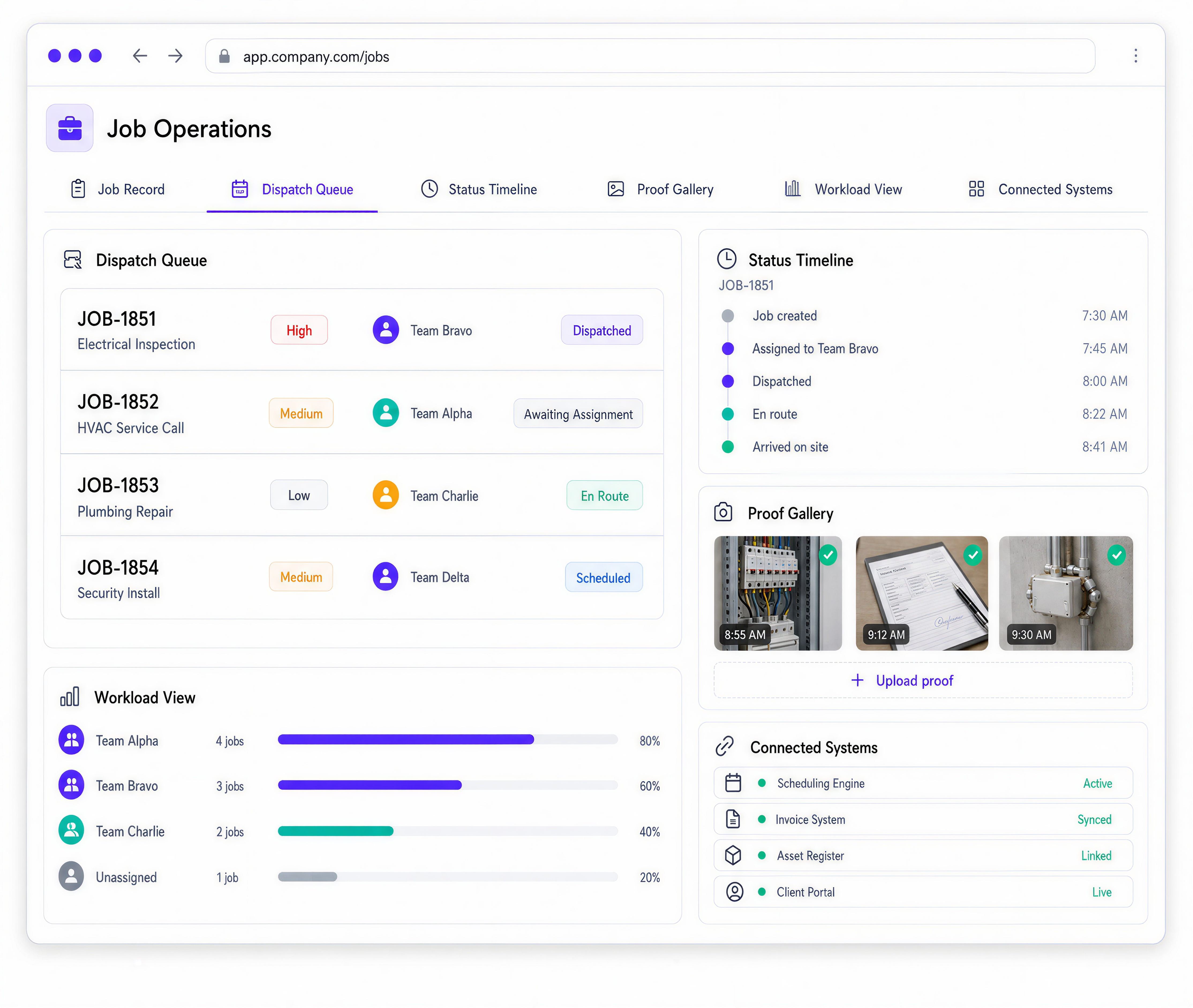
The useful parts depend on the job lifecycle, team structure and information needed to complete work properly.
Structured job details, customer information, site notes, tasks and completion requirements.
Scheduling, dispatch, ownership, priorities and team or technician allocation.
States for assigned, in progress, blocked, completed, reviewed or closed.
Photos, documents, signatures, checklists or notes linked to the right job.
Views for workload, status, exceptions, team activity and reporting.
Connections to CRM, invoicing, calendars, mobile apps or reporting tools where needed.
These are common signs a job management system could give the business better control.
The team cannot quickly see what is assigned, blocked, in progress or complete.
Job details sit across calls, messages, paper, spreadsheets or disconnected tools.
Photos, signatures, notes or completion details are stored late or in the wrong place.
Changing priorities, capacity and assignment decisions are hard to manage manually.
The build starts with the job lifecycle, then turns it into a system for the people coordinating and completing work.
Understand how jobs are created, assigned, completed, reviewed and closed.
Plan roles, statuses, proof, exceptions, scheduling rules and the first release.
Shape coordinator, manager and field views around daily use.
Develop the job system, admin tools and required integrations.
Support rollout and improve the system around real job activity.
A selection of digital products, platforms and business systems engineered for organisations that depend on technology every day.
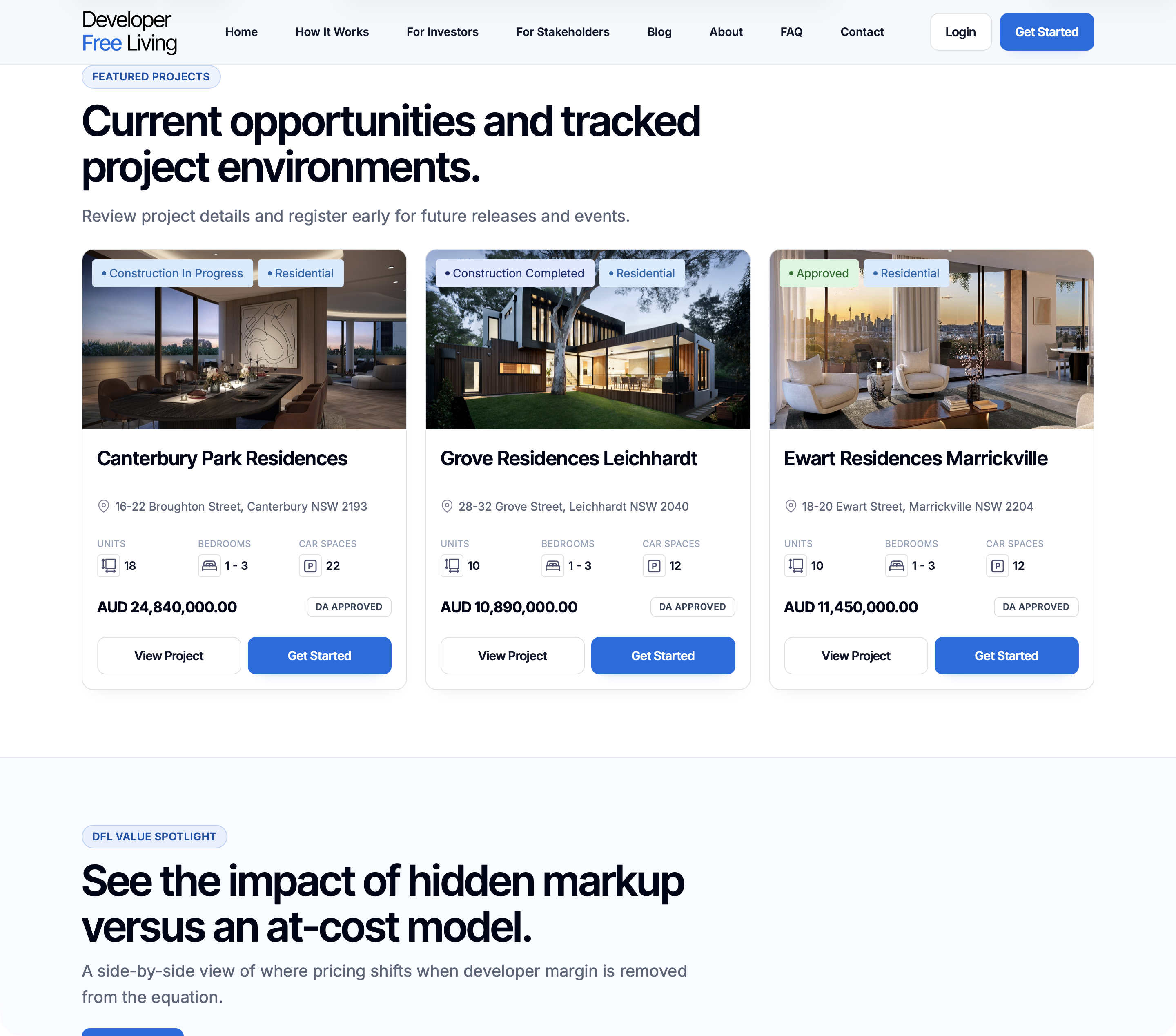
A property development operating system connecting feasibility, stakeholder bidding, buyer access, finance, project delivery, documents, handover, and governance.
View case study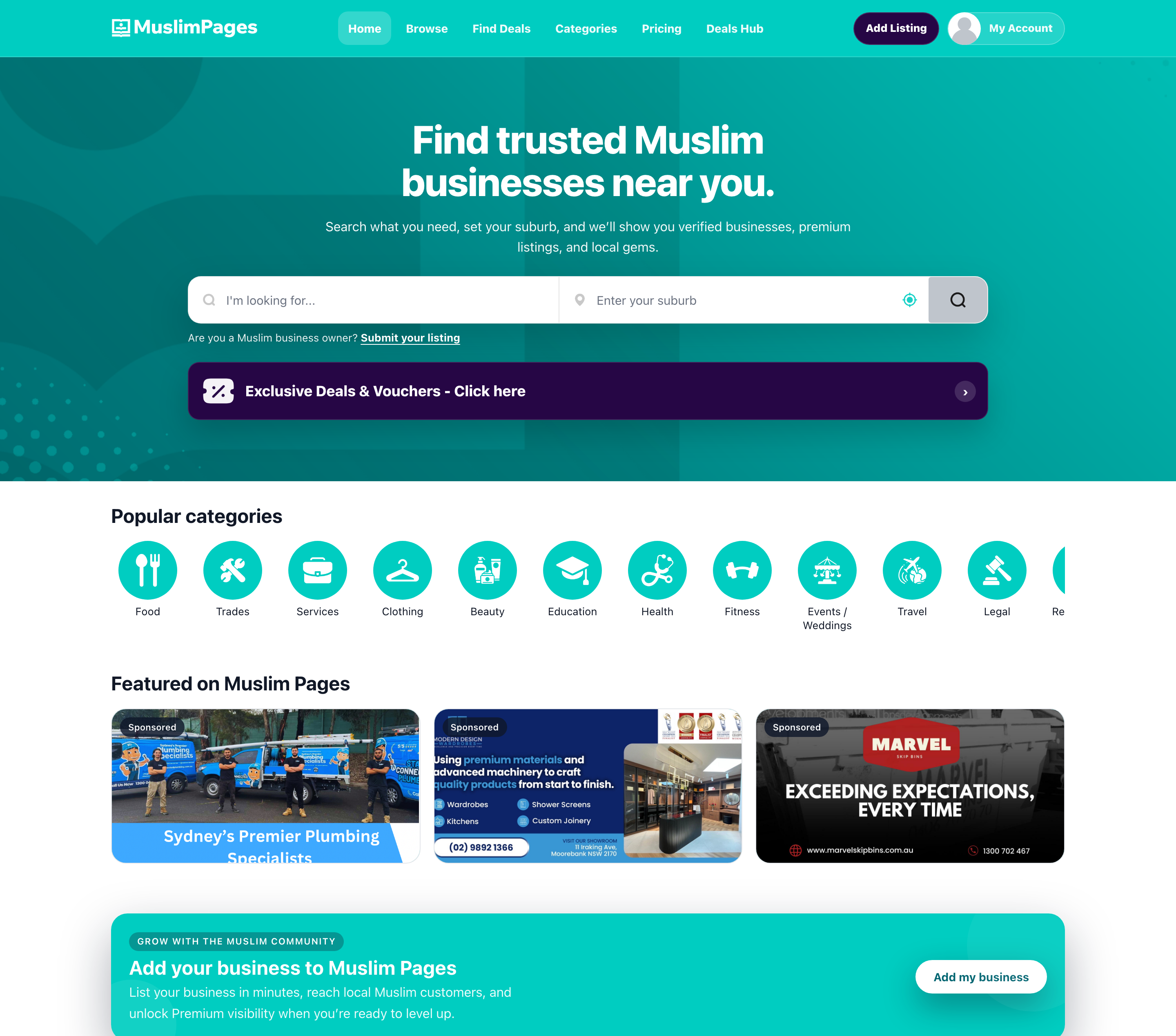
A community directory, deals marketplace, owner portal, and React Native app connecting Muslim Australians with businesses, offers, subscriptions, and local discovery tools.
View case study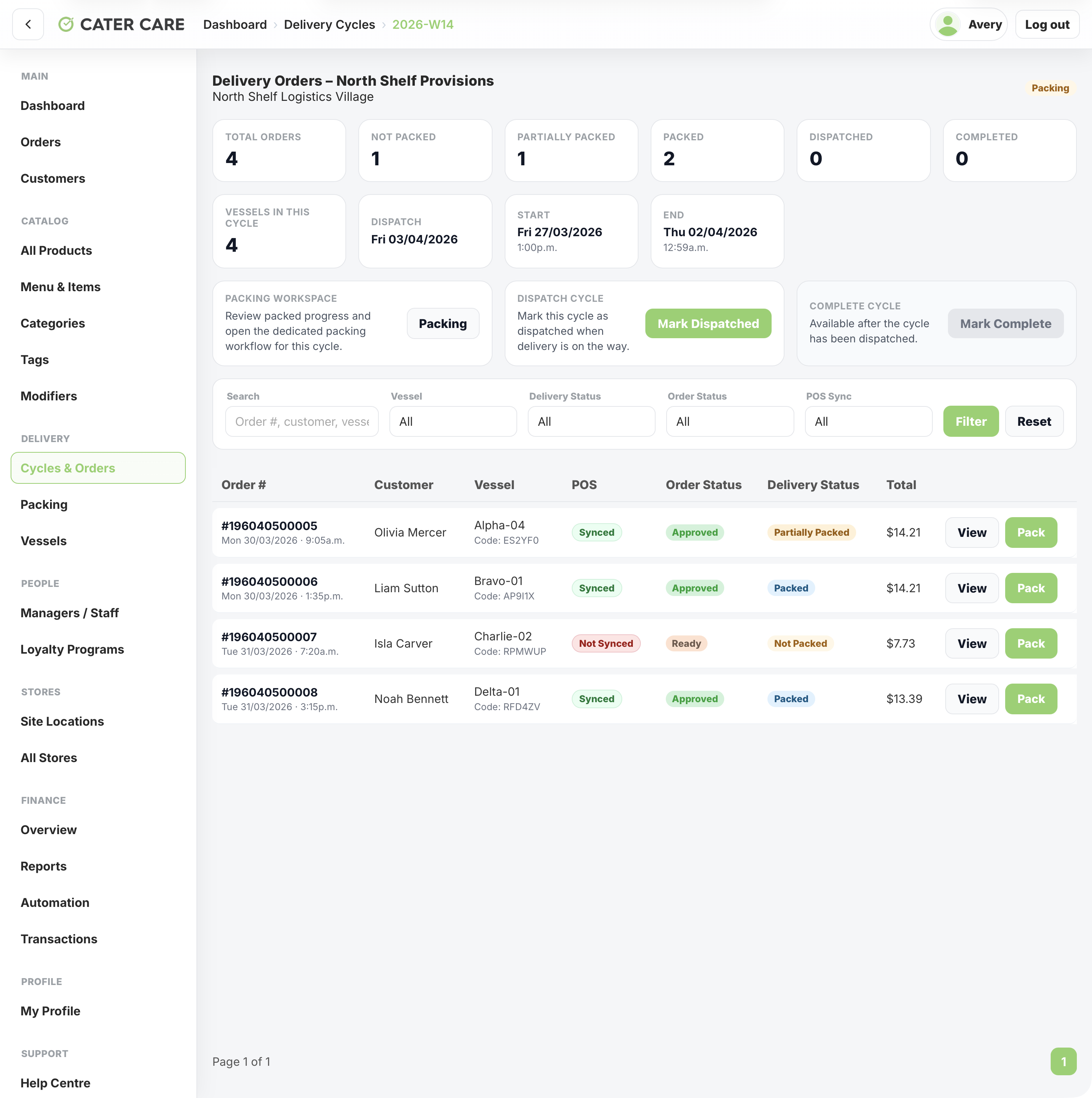
A remote workforce delivery platform for Cater Care, connecting QR-led vessel ordering, delivery cycles, packing, dispatch, worker tracking, store operations, and central reporting.
View case studyA short list of the things teams usually ask before scoping a job management system.
It can include job records, scheduling, assignment, status, proof capture, notes, dashboards, notifications and integrations.
Yes. Field use can be handled through a mobile app or mobile-friendly workflow where needed.
Yes. Job systems can connect with invoicing, CRM, calendars, portals or reporting tools.
Yes, when the job lifecycle and data requirements are properly mapped.
Bring the job lifecycle, roles and current bottlenecks. Webits can help shape the right first release.